Why the Film Casino Has No Neutral Camera
Why the film Casino has no neutral camera: trace how framing, movement and editing build a story, and see how camera choices guide attention in each scene.
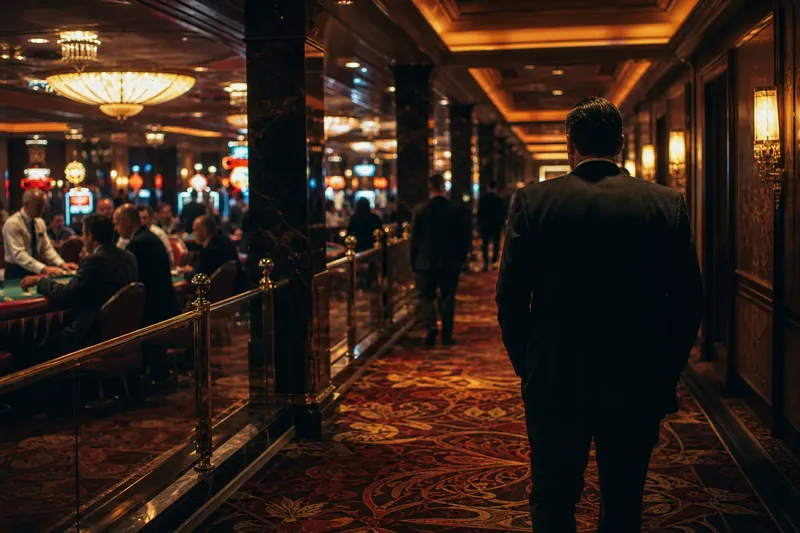
A corridor in Casino can feel like a passage into someone’s argument rather than a route between rooms. The film Casino has no neutral camera: framing, movement and editing turn casino spaces into elements of a story, shaping what viewers notice and how characters appear.
That makes a rewatch less like inspecting a real venue and more like following the film’s craft. Attend to how a scene is built: what enters the frame, where the camera leads you and how one image gives way to the next.
What does the camera make you notice first?
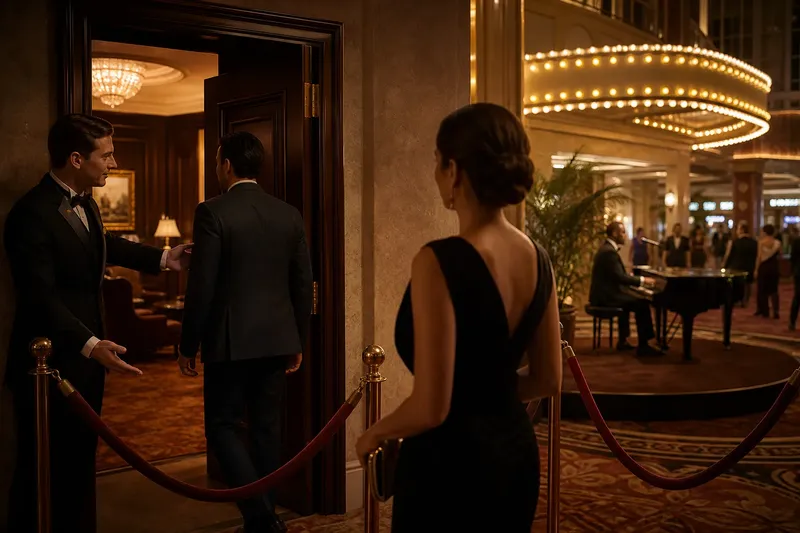
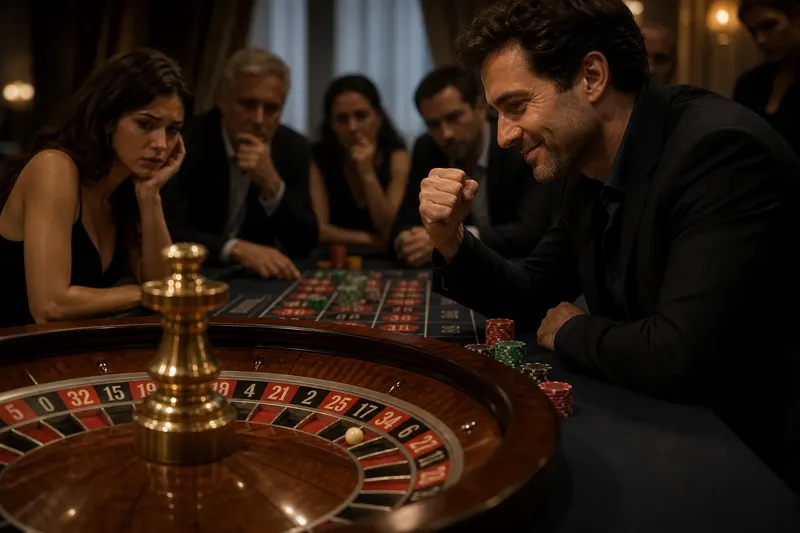
Framing sets a boundary before it offers an explanation. A shot might place a character, a gaming table and a glittering interior together, bringing private ambition and public spectacle into the same composition.
A broad view can make a space feel orderly; a close view can give a face or object unusual force. Neither reveals the whole room. Each selects details for the scene’s dramatic purpose.
On a rewatch, name the first thing that catches your eye, then point to the cue that drew you there: a bright surface, a central figure or a doorway.
How does camera movement guide your attention?
A moving camera reveals a place in a chosen order. A travelling shot through a casino gives the viewer a directed route, linking spaces as the film wants them encountered rather than offering the freedom to inspect the setting independently.
Movement also shapes our relation to a character. If the camera follows, their progress may feel assured; if it waits ahead, their arrival becomes the focus. If it leaves them behind, the setting can seem to absorb them.
Track the camera’s route and pace first. Then ask whose experience that route centres; this points to the scene’s point of view.
How do editing and sound connect details?
A bright table, a polished surface or a face held in close view can acquire meaning through timing and juxtaposition. A cut to another character may invite comparison, while a pause after someone leaves can make the room seem to retain their influence.
Notice what continues across a cut, what falls quiet and whether dialogue or background noise draws attention away from the image. Sound can extend a moment or make a visual detail feel less self-contained.
Why can the same location carry a different mood?
Lighting, camera height, lens choice, movement and the actors’ positions can make a familiar room feel inviting, exposed or remote. The setting remains recognisable while the scene gives it a different role.
Imagine two invented scenes near the same gaming floor. In the first, a balanced wide shot shows several people and a table; in the second, a close view follows one character against a softened background. The first foregrounds the group’s arrangement, while the second brings that character’s experience forward. These are readings of film form, not claims about how visitors experience a real casino.
What should you look for when rewatching Casino?
Does a wide shot show the whole room?
It shows what fits within the frame from the camera’s position, not everything in the location. Notice what draws your eye and what the frame leaves out.
What does a moving shot ask you to follow?
Track whether the camera follows a person, leads them or turns towards something else. Its route gives one experience prominence over other activity in the scene.
How can you tell when a detail is emphasised?
Notice whether the film gives it closeness, brightness, duration or a striking cut. Those choices make the detail salient within the scene.
Can Casino tell you how a real casino works?
The film shows how its story imagines power, glamour and risk; it does not establish the practices of a particular venue. For practical or historical claims, consult sources that address that venue or subject directly.
How can you compare scenes without flattening them?
Instead of sorting each shot into “fact” and “interpretation”, compare the choices that give scenes their distinct shape. Ask what the camera keeps close, what it lets recede and how the edit changes the emphasis.
Say you are comparing two invented scenes in the same corridor. In the first, the camera holds a distant, steady view; in the second, it follows a character closely around a turn. The steady view makes the corridor’s arrangement more prominent, while the following shot gives the character’s passage greater momentum. The comparison describes how two sequences organise attention, not what a real casino corridor is like.
A brief rewatch note can record the shot’s framing, camera route, most prominent detail, edit and sound. Compare those choices across scenes; the differences often reveal how the film reshapes a location for its story.
So the claim that the film Casino has no neutral camera is less a warning about accuracy than a prompt to notice composition. Each shot gives the story a particular angle on casino life, and recognising that angle helps explain why the same setting can feel different from scene to scene.