The Winning Streak Is a Story, Not a Message
A winning streak can shape casino stories and decisions. Learn to separate the human meaning of a run from what the game’s rules say about what comes next.
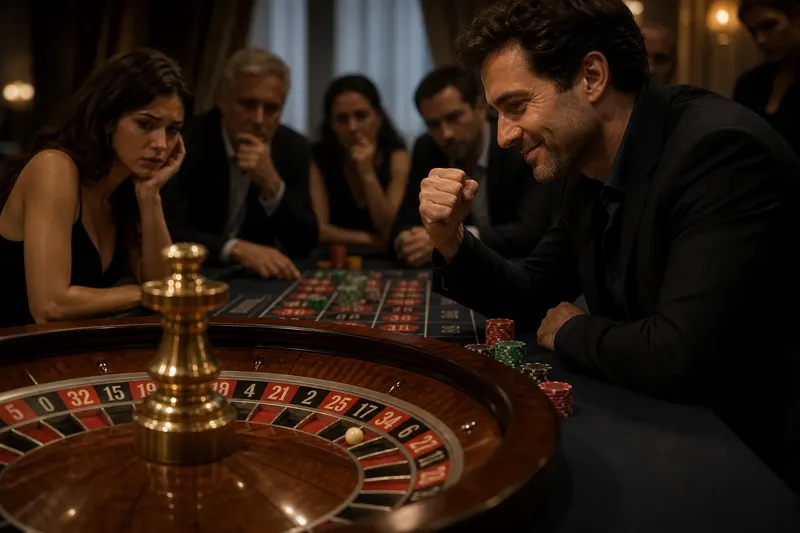
A roulette ball lands on red twice, and someone at the table says red is “running hot”. The phrase turns two results into a plot. A winning streak can shape a casino story, but it does not, by itself, tell us what the next result will be.
In a scene, a streak may reveal a player’s confidence, shift a crowd’s mood or prompt someone to bet again. Those are claims about people and their choices, not necessarily claims about the game’s next outcome.
What does a winning streak reveal about a character?
A run of favourable results gives a scene a rhythm that isolated outcomes would not. A film might linger on a player’s expression; at a table, people might fall quiet or lean closer. The sequence matters because people attach meaning to it.
Imagine a fictional blackjack player who has won several hands and begins raising their stakes, dismissing a companion’s concern. The run is the starting point; the player’s decision changes the mood between them. The scene shows how the character interprets luck, not whether another win is likely.
When analysing the scene, attribute the claim to its speaker: the player believes the table is “running hot”. That keeps a character’s conviction separate from the game’s mechanics.
Does a winning streak predict the next result?
For independent outcomes, a previous result does not by itself alter the next one. A coin has no memory of earlier flips; similarly, a roulette wheel does not remember the last landing, assuming it is operating as intended and each spin is a new event.
A streak may tempt someone to expect the run to continue, or to think the opposite result is now due. Neither expectation follows from the sequence alone. The useful question is how the particular game produces its outcomes.
Games do not all work alike. In blackjack, cards already dealt from a shoe are no longer available until they are returned or the shoe is reshuffled, so the remaining cards affect what is possible. That follows from the game’s structure; the streak itself has no independent force.
Separate the record of what happened from what the rules imply. The streak provides the record; the game’s mechanics provide the relevant context.
Should a streak change whether you keep betting?
A recent win does not, on its own, make another wager safer, and a recent loss does not make a win owed. If you are deciding whether to continue, use your own reasons and limits rather than treating the run as a signal.
You might stop, take a break or continue only within a boundary chosen before the excitement of play. If keeping to that boundary becomes difficult, step away and consider contacting a qualified gambling-support service or professional.
Say a fictional visitor arrives intending to watch a game and sets aside an amount they are comfortable losing. After a few wins, they feel tempted to make larger bets. They compare that urge with their original plan and choose either to stop or to continue within it; the decision rests on their boundary, not on a forecast from the streak.
Keep the boundary you chose before the sequence began.
What do readers ask about winning streaks?
Does a winning streak make another win more likely?
Not by itself when outcomes are independent. If the rules make outcomes depend on earlier events, those rules—not the appearance of a streak—matter.
Does a losing streak mean a win is due?
No. A run of losses does not create a debt the game must repay. That feeling is an interpretation, not a prediction supported by the sequence alone.
Why can a streak feel like momentum?
Repeated results are easy to notice, and a crowd’s reaction or dramatic commentary can make them feel connected. The sense of momentum belongs to how people experience the run.
How can a story describe a streak without predicting the future?
Give the belief to the person who holds it: “He thought the table was running hot.” This conveys the character’s point of view without presenting it as a claim about what the game will do next.
How can you read a casino streak in context?
“She is on a roll” might be affectionate shorthand for confidence, a commentator’s flourish or a player’s reason to continue. Ask whether the phrase describes results already observed, someone’s mood or a forecast. That distinction clarifies what is actually being said.
In a film or conversation, notice who frames luck as momentum and why. A character might be persuading themselves, a companion might be urging caution, or a narrator might be building suspense. This reveals the social purpose of the language without treating it as evidence about the next outcome.
Use these checks to decide what a streak means in the moment:
- In a story: If the streak reveals a character’s belief or conflict, describe that belief; if the narration presents it as a rule of chance, distinguish the claim from the character’s perspective and discuss the scene as interpretation.
- When learning a game: If the rules make outcomes independent, do not use earlier results to predict the next one; if earlier events affect what remains possible, consult the rules before drawing a conclusion.
- Before another bet: If the wager fits a boundary you set beforehand, decide whether you still want to play; if it exceeds that boundary, stop or take a break instead.
- When someone calls a run “hot”: If they are describing excitement, treat it as a comment on mood; if they claim it predicts the next result, ask which game rule supports that claim and keep the claim separate from the sequence.
- When a loss feels overdue for reversal: If that feeling is why you want to continue, pause and reconsider; if you cannot follow your limit, step away and seek appropriate support.
- When discussing a scene: If the phrase belongs to a character, attribute it to them; if it belongs to a narrator, ask whether it is meant as atmosphere or as a factual claim, then describe it accordingly.
A winning streak remains compelling because it gives chance a human shape: people react, change their plans and tell stories about what a sequence means. The phrase can describe that experience, while the rules—not the story built around it—help explain what can happen next.
When a run seems to be sending a message, ask what supports that idea beyond the repeated results. If the answer is only that it has happened several times, the sequence may still make a vivid story; the next outcome remains open.