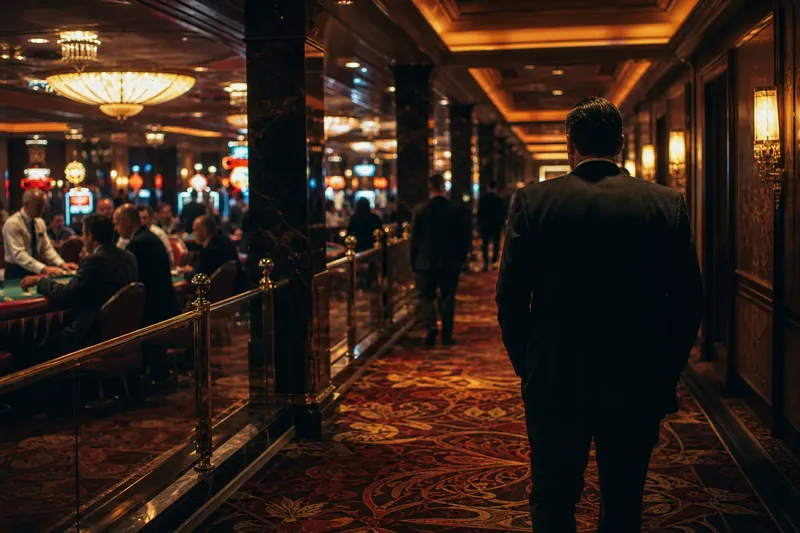
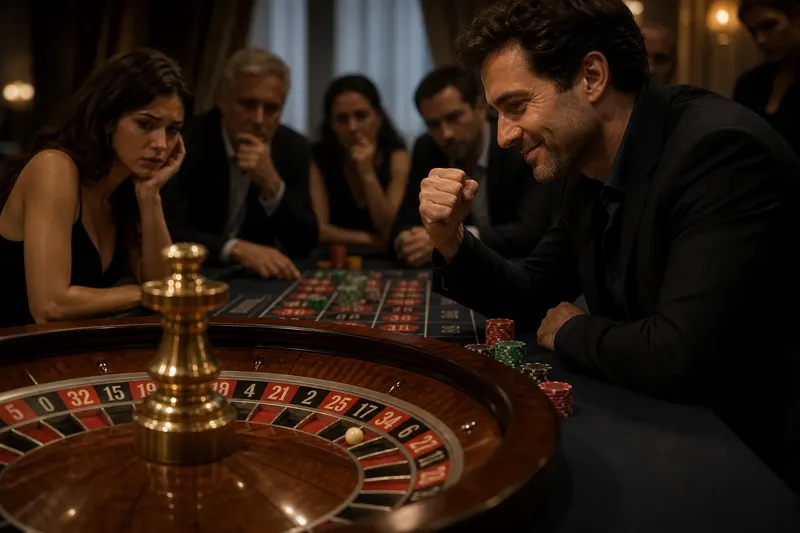
How Casino Culture Remembers Private Rooms and Public Spectacle
Casino culture turns private rooms and public spectacle into competing ideas of access and belonging; learn how to read the contrast in stories.
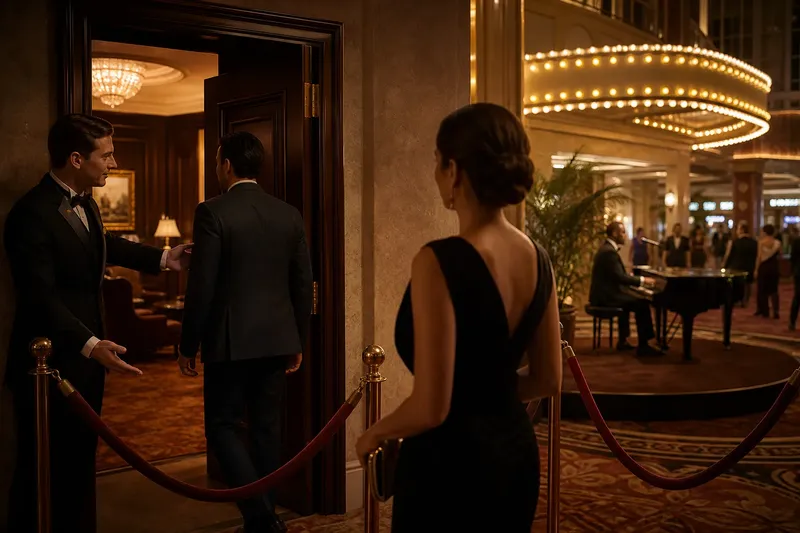
At the edge of a busy lobby, a host opens a door for one guest while another waits beneath the lights. Casino culture often remembers such scenes through the contrast between a room set apart and a venue presented as a public occasion. The contrast can reveal how stories imagine privilege, not how every casino works.
What does a private room suggest about status?
A closed door makes access visible. In a story, an invitation can signal trust or influence; a refusal can make exclusion part of the plot. The room matters less as a floor plan than as a relationship between the person admitted and the person left outside.
Pay attention to who controls the threshold. A host might welcome a character, a companion might secure entry, or the character might choose not to go in. Each action gives the scene a different account of agency.
If the door changes what a character knows or can do, it is shaping the story. If no consequence follows, it may be serving as mood or shorthand for prestige.
Why does the casino floor become a public occasion?
A marquee, a lobby musician or a crowded restaurant can frame a casino as a place to be seen as well as a place to go. These details give a scene a social surface: people arrive, perform, watch and share space, even if their reasons for being there differ.
That surface is not the same as a community with a single experience. A crowd can supply movement and spectacle while the story follows only one character. Notice whose point of view shapes the scene, and whose presence remains part of the background.
The public image often depends on carefully chosen details. A camera might linger on polished entrances and music while leaving ordinary routines outside the frame.
How can these images shape cultural memory?
Repeated images become a familiar vocabulary: a guarded room can stand for access, while a bright lobby can suggest occasion and display. Their meaning comes from how a story arranges them, not from either image serving as a complete account of casino life.
Say an invented film scene begins with Lena arriving beneath an illuminated marquee while a singer performs in the lobby. Her companion is welcomed through a guarded door, but Lena is asked to wait. The sequence directs attention from the venue’s public welcome to the unequal treatment of two characters; it does not establish a real admission rule or describe an actual casino.
To understand the memory an image creates, ask what it makes easy to remember and what it leaves unseen. A grand entrance may stay with an audience more readily than a quiet conversation or an unremarkable pause.
What questions help interpret casino culture’s private rooms and public spectacle?
What does a velvet rope mean in a scene?
It marks a boundary the story has chosen to show. If crossing it changes a relationship or reveals information, the boundary is part of the conflict; if nothing turns on it, treat it as a visual cue rather than evidence of a real policy.
Why do stories show grand entrances?
An entrance makes arrival and transition visible. If the action follows someone inside, notice how the setting changes their encounter; if attention stays on the façade, the building may be presented chiefly as spectacle.
What can a crowd scene tell us about belonging?
A crowd shows people sharing a space, but it does not tell us that they share the same experience. If the story gives individuals distinct roles or reactions, describe those differences; if it does not, avoid assigning them motives or feelings.
Can a private room and a public spectacle appear in the same story?
Yes: one can establish what is on display while the other narrows attention to a few characters. If their contrast affects what someone sees or can do, read the images together; otherwise, let them remain separate details.
How should you distinguish a story from a record?
Start by identifying the kind of material. Fiction arranges details to build character or tension; publicity presents an inviting impression; travel writing may select scenes to convey a sense of place. None should be treated on its own as a full record of casino life.
- Check whether someone approaches a rope or guarded doorway. If they are stopped, discuss access as part of that scene; if nobody approaches it, treat the barrier as background.
- Check whether the entrance is shown from outside or inside. If the scene emphasises arrival, discuss the threshold; if it remains indoors, focus on what the interior contributes.
- Check what the crowd is doing. If people interact, perform or watch, describe those visible roles; if they remain indistinct, do not infer individual experiences.
- Check whether a stage or restaurant affects the action. If a performance or meal changes what happens, discuss its narrative purpose; if it is incidental, leave it as scenery.
- Check whether the story states who may enter a room. If it gives a rule, describe that rule as part of the story; if it shows only a closed door, do not invent an access policy.
- Check whether the image comes from fiction or publicity. If it is fiction, consider its role in the plot; if it is promotional, consider the impression it aims to create rather than treating it as a complete account.
For instance, imagine a fictional brochure showing a lit lobby, a pianist and a couple approaching a reception desk. First, identify it as promotional material; next, note the details it selects; then compare them with what it omits, such as private conversations or people waiting outside the frame. The resulting reading is that the brochure presents sociability and arrival as part of its invitation, not that every visitor shares that experience.
Casino culture’s private rooms and public spectacle are most revealing when read as choices about attention and access. Naming the host’s gesture, the marquee or the waiting guest keeps interpretation tied to what the image actually shows—and helps distinguish a memorable scene from a historical record.